Best Roofing Materials for Coastal South Texas: A 2026 Guide for Aransas Pass Homeowners
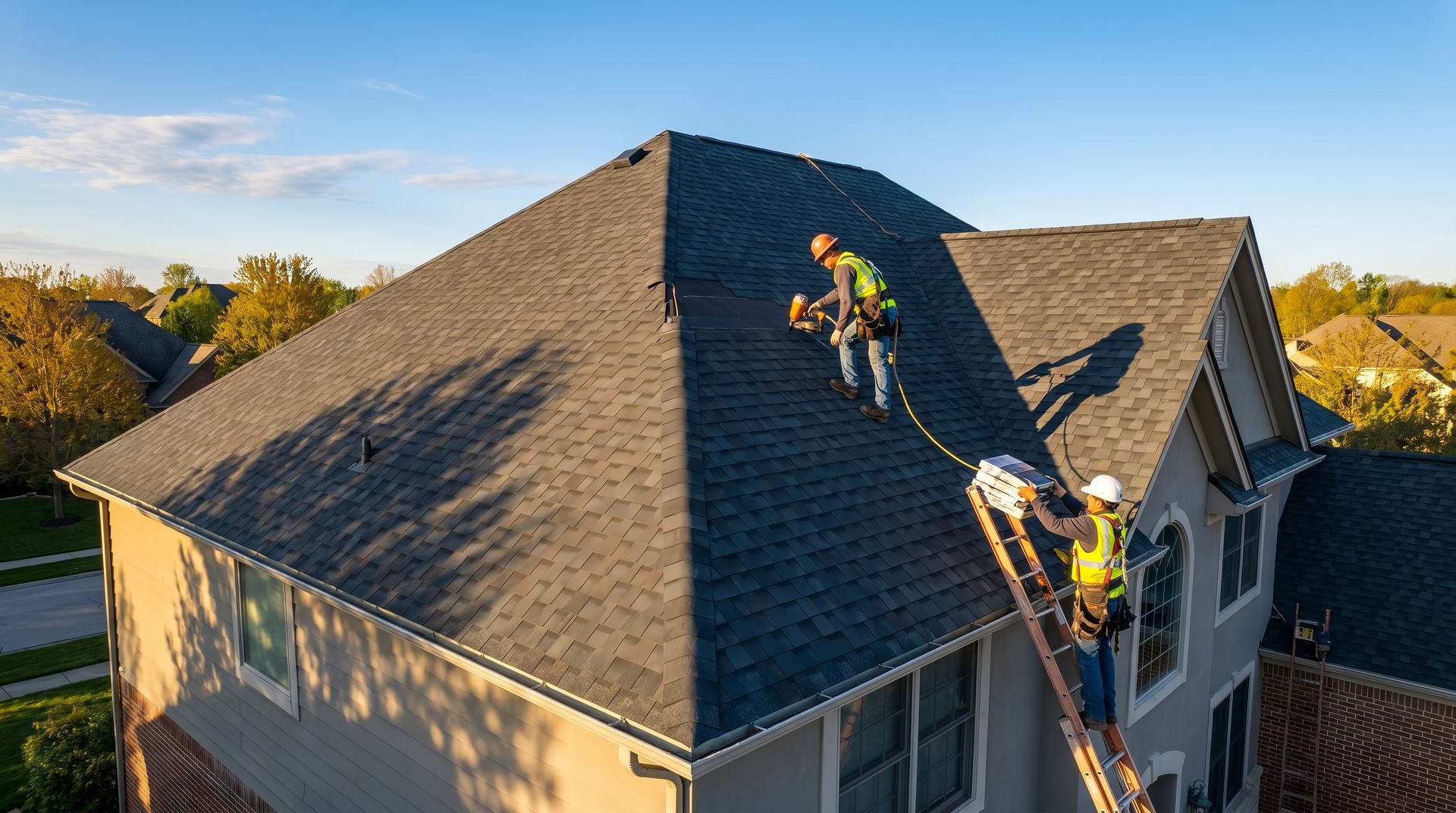
Choosing the right roofing material for a coastal South Texas home directly affects how your roof performs through hurricane season, salt air, and Gulf humidity. Homeowners seeking roofing services in Aransas Pass, TX, face environmental challenges that simply do not exist for inland properties. This guide breaks down the four materials most commonly evaluated for Coastal Bend homes and explains how each stacks up in 2026.
Why Coastal Aransas Pass Demands a Different Approach
Aransas Pass sits between Corpus Christi and Port Aransas on the Coastal Bend, where properties face constant exposure to Gulf moisture, salt air, and tropical storm systems. Salt-laden air, high humidity, intense summer heat, and strong coastal winds can accelerate shingle deterioration, corrode metal flashing and fasteners, and weaken roofing components if materials are not selected with the coastal climate in mind.
Aransas County is one of the 14 first-tier coastal counties in Texas. To be eligible for a TWIA policy, properties must meet windstorm building code requirements per Texas Insurance Code Chapter 2210. Your material choice and installation method directly affect whether you can obtain TWIA windstorm coverage after a roof replacement.
Four Roofing Materials Compared for the Gulf Coast
Class 4 impact-resistant shingles are our first recommendation for Coastal Bend homes, rated for 110 to 130 mph winds, eligible for TWIA certification, and eligible for insurance premium credits under UL Standard 2218. Architectural asphalt shingles carry the same 110 to 130 mph wind ratings and represent the most budget-friendly path to TWIA eligibility. Standing seam metal follows, with aluminum and Galvalume systems offering excellent salt-air resistance and wind-uplift ratings of 140 to 180 mph. TPO is the standard choice for flat and low-slope roofs, providing good resistance to moisture and reflective surface benefits when fully adhered to coastal ASCE 7-22 specifications. All four materials can satisfy TWIA requirements when installed with a WPI-8 certification through a qualified contractor.
Class 4 Impact-Resistant Shingles
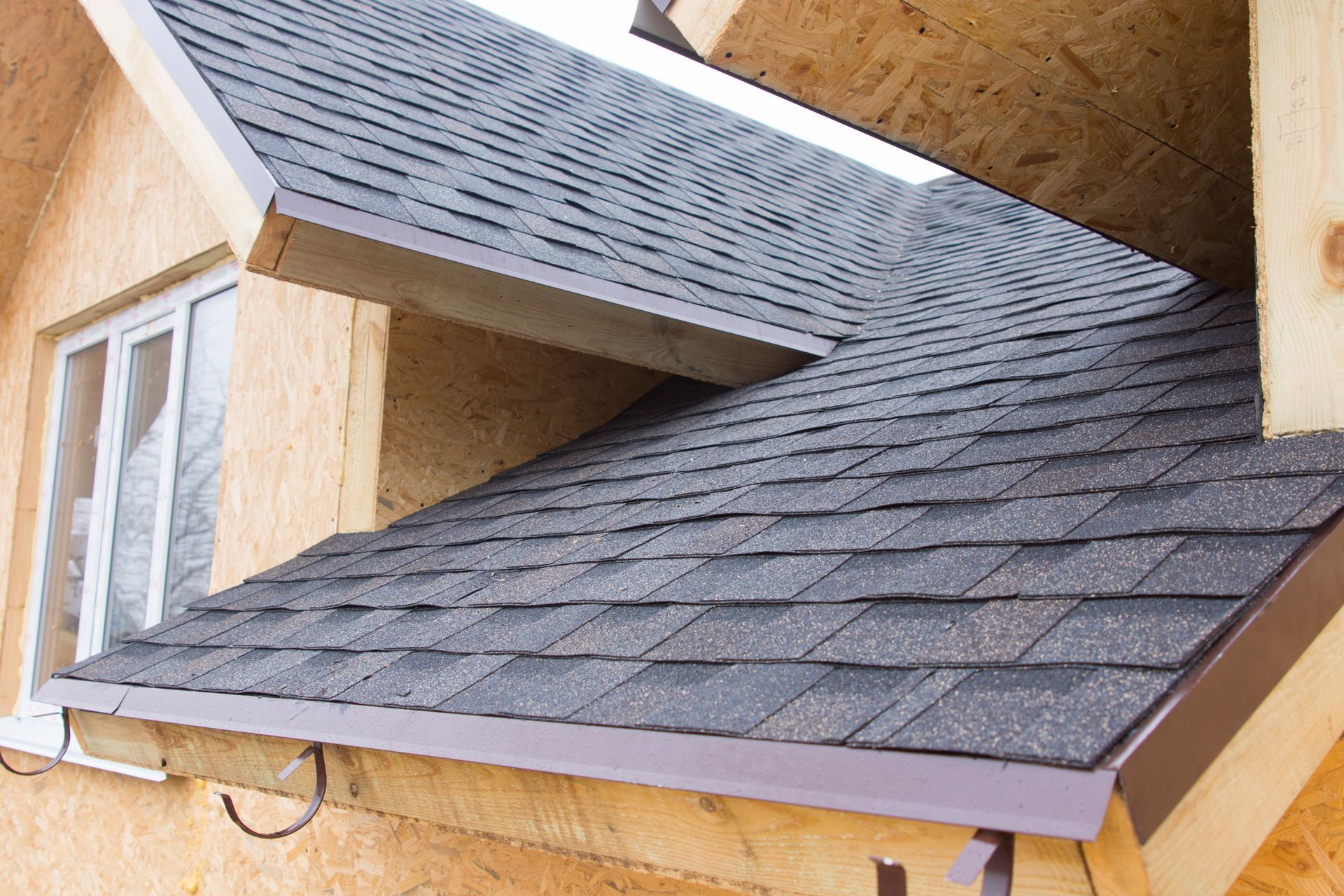
Class 4 impact-resistant shingles are the material we recommend first for Coastal Bend homes. SBS-modified asphalt flexes under impact instead of fracturing, which limits hail damage and extends service life in a climate that is hard on standard shingles. TWIA offers credits for materials passing UL Standard 2218, and Texas requires insurers to discount hail-resistant roofing, so the upgrade can offset its own cost over time. Class 4 products are rated for 110-130 mph winds and meet TWIA code requirements when properly installed, which makes them the strongest balance of protection, insurance benefit, and cost for Aransas Pass homeowners.
Architectural and Standard Asphalt Shingles
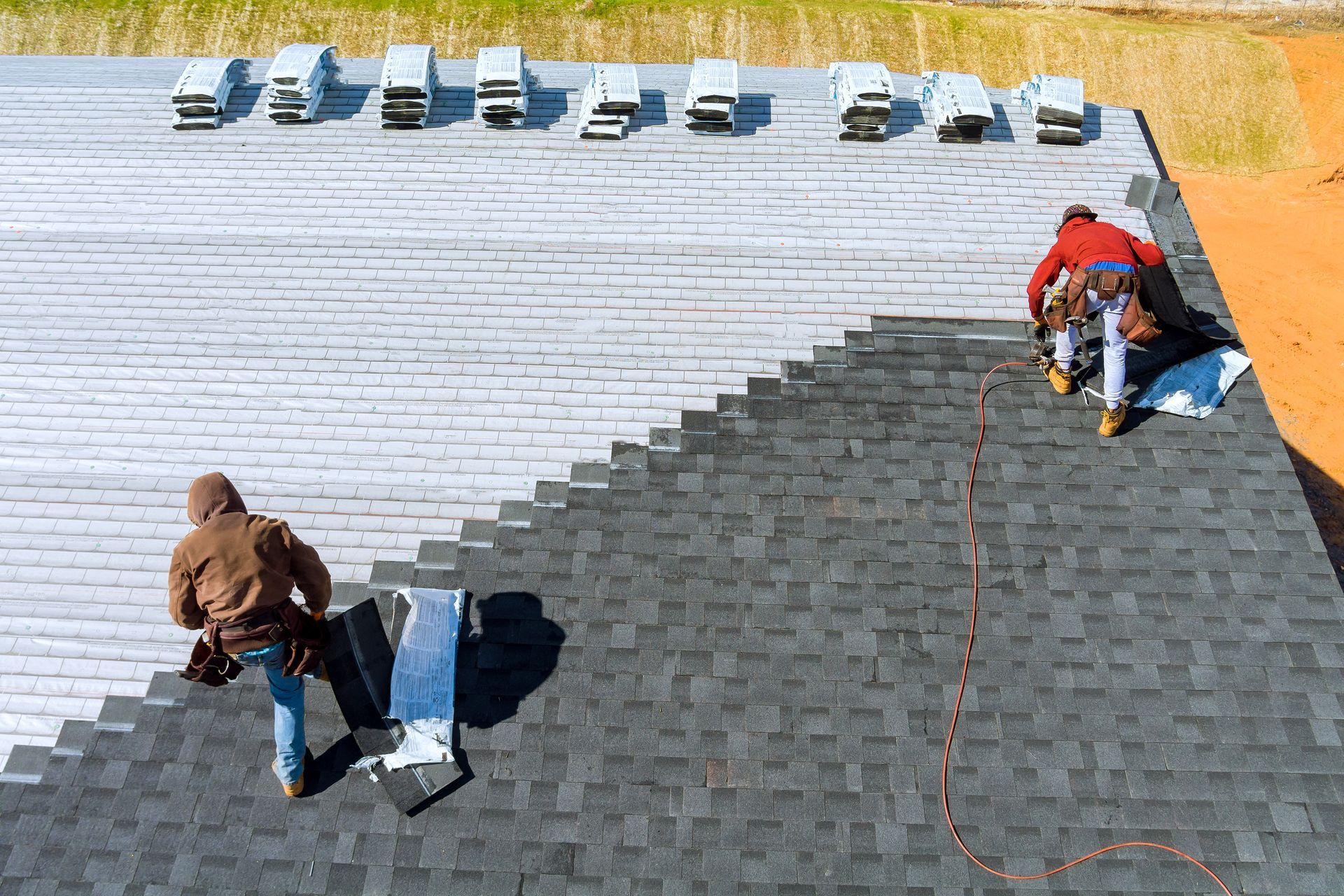
Asphalt shingles remain widely used across South Texas and can meet TWIA requirements when properly installed. High-quality architectural shingles rated for 110-130 mph winds are widely available. Standard shingles can lift, curl, or tear as they age, and prolonged humidity promotes mold and algae growth, so coastal roofs benefit from algae-resistant products and routine maintenance. Expect a shorter service life here than the same shingle would deliver inland. Architectural shingles rated to ASTM D3161 may satisfy TDI wind-resistance requirements for TWIA certification.
Standing Seam Metal
Standing seam metal is a strong option for waterfront and near-bay properties where corrosion resistance is the priority. Concealed fasteners reduce penetration points where moisture or corrosion can enter, and the interlocking panel design performs well under wind pressure, with many systems rated for 140-180 mph. Select aluminum or Galvalume steel with a coating rated for salt-air exposure; standard galvanized products without marine-grade coatings are not recommended. When properly specified, standing seam metal roofs last 40 to 70 years with minimal maintenance.
TPO Roofing for Flat and Low-Slope Roofs
TPO (Thermoplastic Polyolefin) is a single-ply membrane common on commercial buildings and some contemporary coastal homes. Large sheets are heat-welded together, forming a watertight barrier, and the white or light-colored surface reflects sunlight to reduce cooling costs. For Aransas Pass installations, ASCE 7-22 design wind speeds require fully adhered systems, enhanced seam widths of at least 2 inches, and a Windstorm Inspection Certificate from a licensed TDI inspector. Mechanically attached TPO is insufficient for any property within the TWIA coverage zone. Only contractors experienced with coastal ASCE 7-22 requirements should perform TPO installations in Aransas County.
What Is a WPI-8 and Why Does Every Aransas Pass Homeowner Need One?
A WPI-8 certifies that a building meets TWIA construction standards. Without a valid WPI-8, you cannot obtain or renew TWIA windstorm insurance coverage. Every roof replacement in a seacoast county must be WPI-8 inspected and certified, and the contractor coordinates the inspection. Skipping the process means your new roof is not eligible for TWIA coverage even if the old roof was. In the 14 coastal counties, roofing must withstand wind speeds of 110-150 mph depending on proximity to the coast.
Can I Get a Windstorm Inspection Through My Roofer?
Yes. A licensed inspector during the installation project confirms the roof meets wind standards. Once approved, a WPI-8 is issued to the homeowner to obtain windstorm insurance. Always confirm your contractor works with a TDI-appointed qualified inspector before work begins.
Which Material Is Best for Aransas Pass Homes?
The right choice depends on roof pitch, budget, and long-term goals. For most Aransas Pass homes, Class 4 impact-resistant shingles are the best overall choice: they meet wind-resistance code, qualify for TWIA hail credits, and cost considerably less than metal. Architectural shingles are a solid option when properly installed to wind-resistance code, though they require more upkeep in coastal conditions. Standing seam metal is worth the added investment on waterfront and near-bay properties where corrosion resistance and maximum wind-uplift performance are the priority. TPO is best reserved for flat or low-slope roofs. A qualified roofing services team familiar with Aransas County requirements can walk you through the tradeoffs for your specific property.
Ready to Protect Your Aransas Pass Roof? Talk to a South Texas Expert
The right material is only half the equation. Proper installation, WPI-8 compliance, and knowledge of coastal-specific product requirements determine whether your roof holds up when Gulf weather moves in. Berryman Roofing has served South Texas for over 30 years, providing residential and commercial roofing services to the Coastal Bend region. Call (361) 776-2590 to request a free estimate and discuss which material makes the most sense for your home. You can also contact the team directly to schedule an inspection before the next storm season.